Five million American teenagers are fighting for their lives. Most won't tell an adult they know.
Rally puts a licensed counselor one tap away — inside the feeds, teams and churches teens already trust.

American adolescents aged 12 to 17 — more than 5.3 million young people — have a current, diagnosed anxiety, depression or behavioral condition. In seven years that number rose thirty-five percent.

"I had already decided how the night was going to end. Then someone I follow posted a link, and forty minutes later I was talking to a real person."
She had never called a hotline. She would not have told a teacher. What she did do — what almost every teenager does — was keep scrolling. The difference was that on that particular night, the thing she scrolled past was a way out.
That is the entire premise of Rally. We do not ask teenagers in crisis to find us. We put help where they already are.
From a feed to a licensed counselor, in under a minute.
We don't build another app teens have to download. We hand one link to the people they already follow.
A trusted voice shares it
An athlete, a creator, a youth pastor puts the Rally link in a bio or a Sunday slide. No stigma attached — it came from someone they like.
One tap, immediate relief
The widget opens instantly — no download, no signup, no account. Grounding exercises first, because a teen in a spiral cannot fill out a form.
A real person, same day
Then the handoff that matters: a licensed counselor, a local church, or a mentor who will still be there next week.
One tap, wherever a teenager already is.
Rally doesn't ask anyone to download an app. Partners drop a single link into the places young people already scroll — and every one of them opens the same resource sheet: a crisis counselor, a free same-day session, or what to say to a friend. Anonymous, no account, nothing saved.
The resource link sits above merch — one ask of an athlete or influencer, no production cost.
A permanent row in the app's menu, under Support. Always findable, nothing to moderate.
A floating button on a brand site. Never animates, never expands — the label is the partner's one string.
Why we believe this approach works
We are new. The research behind our model is not. Three findings, from three independent sources, describe the exact gap Rally was built to close.
High schoolers report persistent feelings of sadness or hopelessness — 53% of girls. A decade ago it was fewer than one in three.
More than sixty percent of young people say they don't trust the adults in their lives enough to talk to them about mental health.
Of teens already get mental health information on social media. Among them, 63% call it an important source. They are looking — just not at us.
We launched in January 2026, and we are showing our work from day one.
Trust is built the same way hope is — one honest step at a time. So here is exactly where we stand: what is built, what we are building next, and what your gift pays for.
Who is behind this
Real names, real faces, real accountability. People with a heart for hurting kids and the experience to build what actually helps them.

Derek is a founder and serial entrepreneur who serves on the board of the Association of Related Churches and Overflow as well. He has a deep heart for people and the local church, and a conviction that problems this size get solved with technology and practical steps.

Mayo played football at Auburn and in the NFL, then served a federal prison sentence, then spent nine years at Church of the Highlands — where he ran the student ministry as executive pastor. He now leads LIIV Atlanta. He has been the teenager this organization exists for, and he has spent a decade helping them.

Brandon pastors at Hope City in Houston and leads Mike Barber Ministries, the prison ministry his father founded. He knows what it costs to reach people the rest of the world has written off, and he knows how the local church can show up for the most vulnerable.
Monthly gifts are what let us answer on a Tuesday night in February.
Crisis doesn't follow a fundraising calendar. Recurring support is the only kind that's there when a teen actually taps.
Keeps someone reachable at 2am. The widget stays live and free, around the clock, for every student who taps it this month.
Give $25Reaches a student before the crisis — funding the content that shows up where teens are already looking for help.
Join the teamWalks with a student until they are actually connected — the follow-up, check-ins and introductions that take weeks, not minutes.
Become foundingA widget can stop a bad night. Only a community changes a life.
Most tools built for teenagers are designed to keep them on the app. Rally is designed to get them off it. Every path we build ends at a real room, with real people, close enough to walk into on a Wednesday night.
That last step is the hard one, and it's what your giving builds. A network of churches, city by city, that have agreed to a referral protocol and are ready when a student finally says the hard thing.
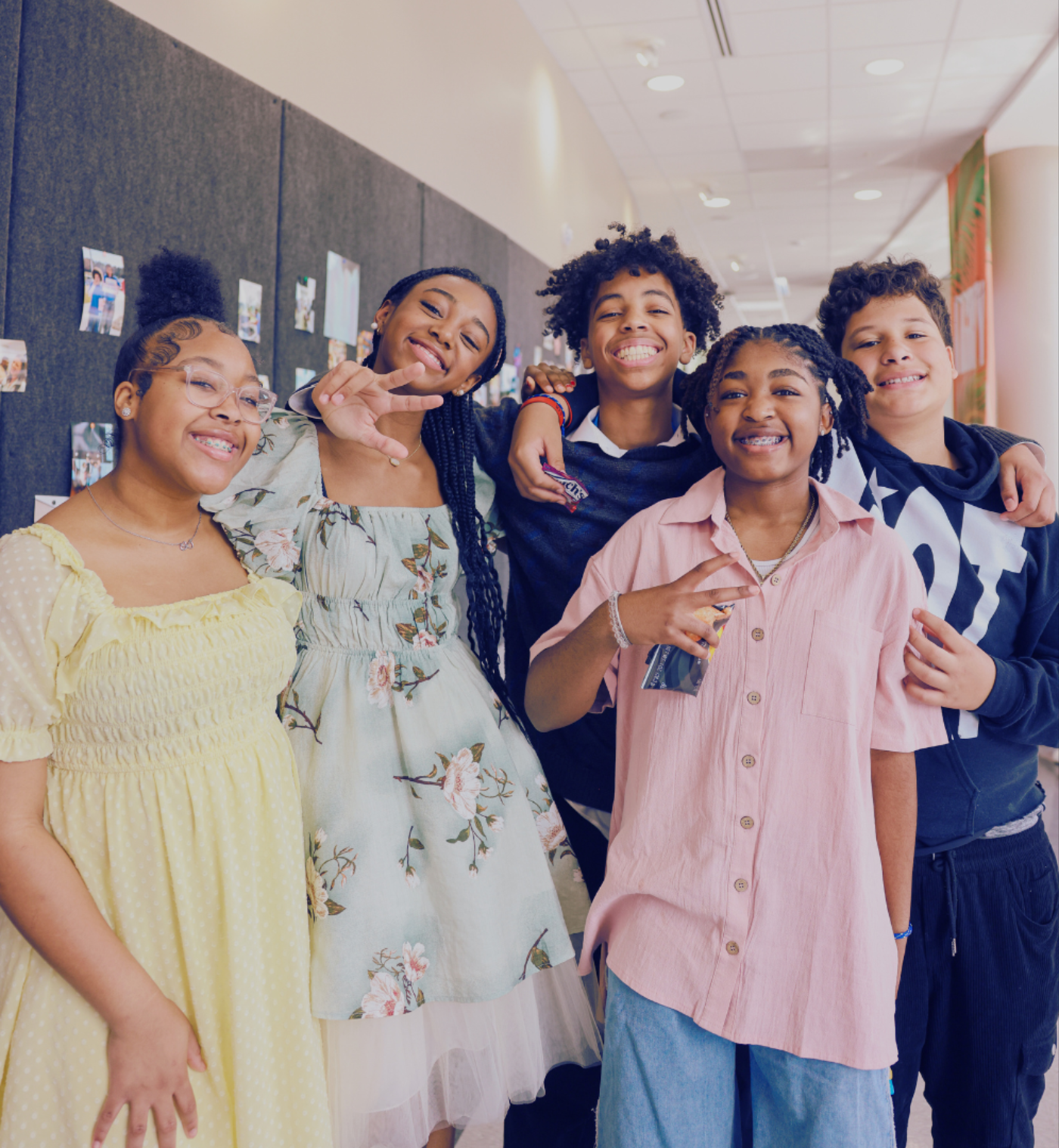

Restoring hope for the next generation through connection, care and community.
EIN 41-4205899
640 Taylor St Suite 1200 PMB 1035
Fort Worth, TX 76102
One honest update a month. What we built, what we learned.